
Don't Replace It, Maintain It: How to Extend the Life of Your Roof
Your roof is one of the most significant investments you'll make in your home. It's the first line of defense against the elements, protecting your family and your property day in and day out. Here in the Kennewick area, our roofs face a unique set of challenges, from intense sun and UV exposure in the summer to seasonal wind damage. Many homeowners think about their roof only when a leak appears, often leading to costly emergency repairs or even a premature full replacement. But what if you could extend its lifespan and prevent those stressful situations?
The key is proactive, professional maintenance. A little preventative care goes a long way in maximizing the longevity of your roof, saving you money and giving you invaluable peace of mind. In this guide, we’ll explore the common signs of wear and tear and explain how a strategic maintenance plan can protect your investment for years to come.
The Tri-Cities Climate: A Tough Test for Any Roof
Living in the Tri-Cities means enjoying plenty of sunshine, but that same climate can be tough on roofing materials. Understanding these local environmental factors is the first step in knowing what your roof is up against.
- Intense Sun and UV Exposure: The relentless summer sun is a major contributor to roof aging. Ultraviolet rays slowly break down the protective oils in asphalt shingles, causing them to become dry, brittle, and prone to cracking. This process also loosens the granules that shield the shingle, leading to accelerated wear.
- Significant Wind Damage: Our region can experience strong winds, especially during seasonal shifts. These winds can lift the edges of shingles, breaking their seals and making them vulnerable to being torn off completely. Even minor lifting can allow water to seep underneath, leading to hidden damage.
- Temperature Swings: The fluctuation between our hot summer days and colder winter nights causes roofing materials to expand and contract. Over time, this thermal cycling can stress shingles, flashing, and sealants, creating small openings for moisture to penetrate.
Without regular inspections, these gradual effects can compound, turning a minor issue into a major failure.
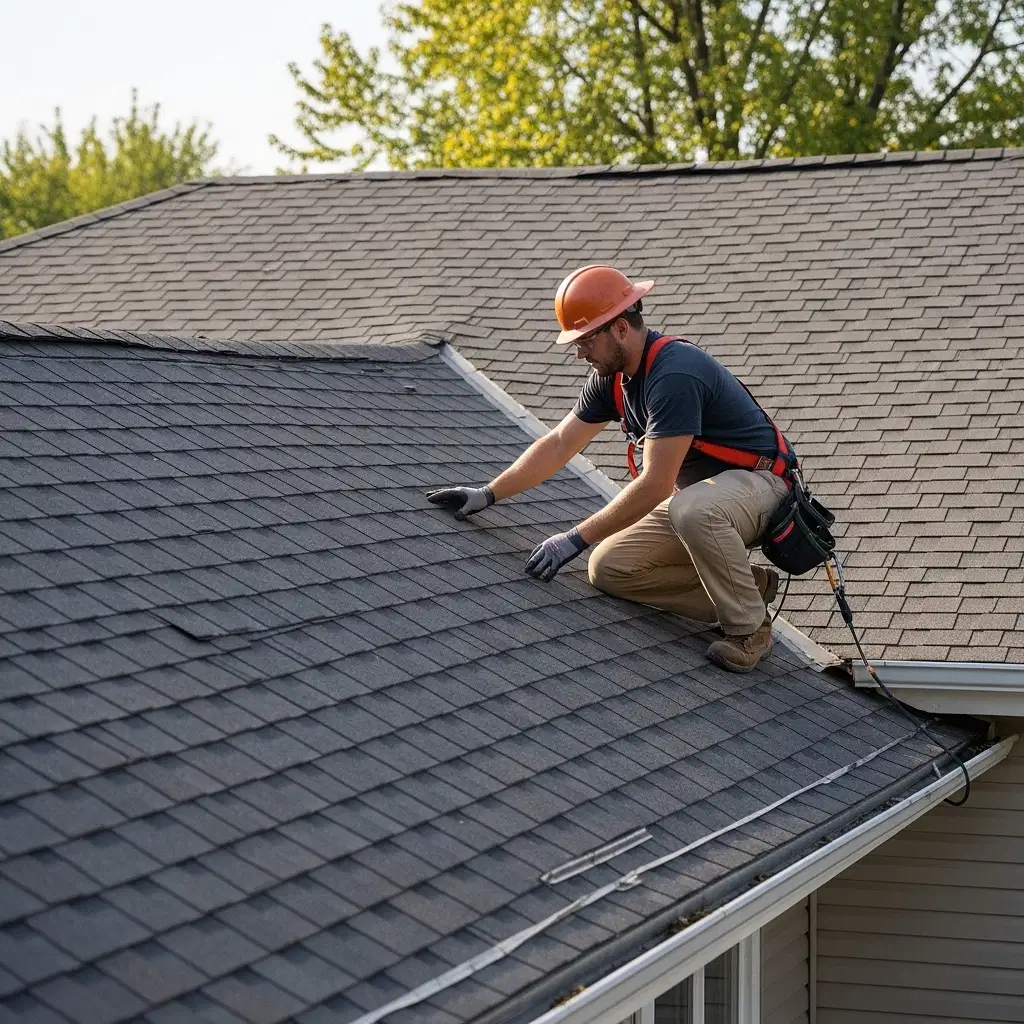
5 Common Signs Your Roof Needs a Professional Check-Up
Catching problems early is crucial. While some issues are obvious, others are more subtle. Performing a safe visual inspection from the ground can help you spot potential trouble. Here are a few key warning signs that it’s time to call for a professional assessment:
- Curling or Buckling Shingles: Shingles that are curling at the edges or buckling in the middle are often a sign of advanced age and heat damage. They are no longer providing a solid barrier against water.
- Missing Granules or “Bald Spots”: Check your gutters and downspouts for an accumulation of shingle granules. These sand-like particles protect the shingle from the sun. When they wear away, the shingle deteriorates much faster.
- Cracked or Missing Shingles: This is a clear sign of vulnerability. Any breach in the shingle layer is a direct invitation for water to get in, potentially damaging the underlying roof deck and the interior of your home.
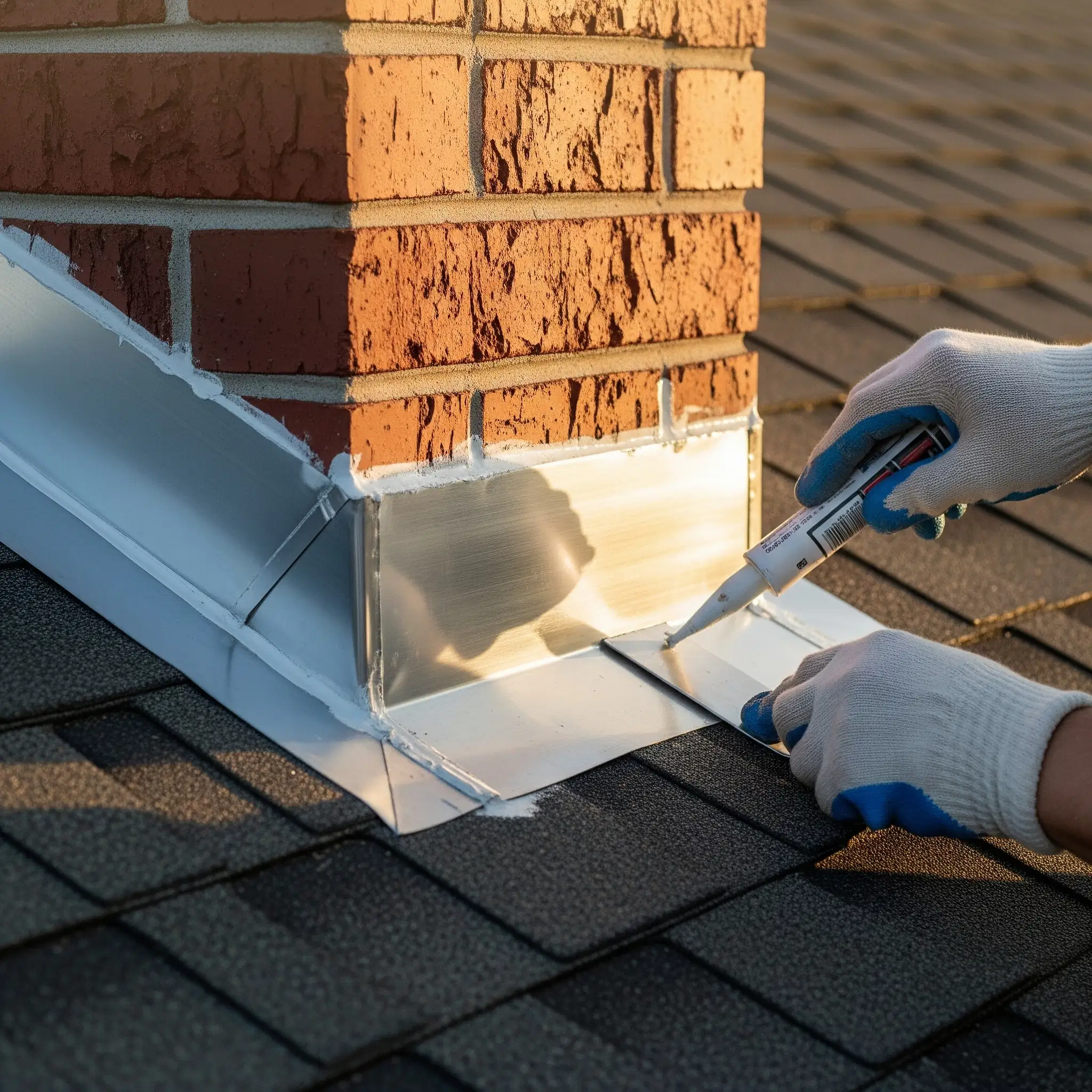
- Damaged Flashing: The metal strips around chimneys, vents, and skylights are called flashing. If this material is cracked, bent, or rusted, the seals can be compromised, creating one of the most common sources of roof leaks.
- Moss or Algae Growth: While it may seem like a cosmetic issue, dark streaks or moss growth can indicate trapped moisture. Moss can hold water against the roof surface and, in freezing weather, can lift and damage shingles.
The Value of Professional Roof Maintenance
While identifying problems is important, having them addressed correctly is what truly protects your roof. A professional roof maintenance program is more than just a quick look-over; it’s a comprehensive service designed to preserve the integrity of your entire roofing system.
At Above The Rest Roofing, Inc, our maintenance visits typically include:
- A Detailed Inspection: We examine every aspect of your roof, from the condition of the shingles to the integrity of the flashing, seals, and ventilation.
- Proactive Repairs: We address minor issues on the spot, such as securing loose shingles, sealing exposed nail heads, and repairing compromised flashing before they can cause leaks.
- Debris Removal: We clear leaves, branches, and other debris from roof valleys and around chimneys. This prevents water from damming up and seeping under your shingles.
- Gutter Check: We ensure your gutters are clear and functioning properly, as water backup is a leading cause of damage to the roof edge and fascia.
Investing in routine maintenance helps you avoid the financial strain and disruption of a major failure. It ensures your roof reaches its maximum intended lifespan, maintains your home’s curb appeal, and provides the reliable protection your family deserves.
Protect Your Biggest Asset with Proactive Care
Your roof works hard to protect you from the elements. Returning the favor with regular, professional care is the smartest way to ensure it lasts for decades. By catching small issues before they escalate, you can avoid unexpected leaks, costly water damage, and the stress of a premature replacement.
Don't wait for a problem to appear. If you're concerned about the health of your roof or want to establish a proactive maintenance plan, our team is here to help. Contact Above The Rest Roofing, Inc today to schedule a comprehensive inspection for your Kennewick home. We are committed to providing honest assessments and expert service for all your roofing needs, from minor repairs and maintenance to complete residential roof installations.