
Roof Overlay Versus Full Tear-Off Replacement: What Homeowners Need to Know
When it comes time to upgrade the most important protective layer of your home, one of the biggest decisions you will face is choosing between a roof overlay and a complete tear-off replacement. If you have been noticing curled shingles, granule loss, or finding that an old roof leak repair just is not holding up anymore, you are likely wondering what the next best step is for your property.
For many homeowners in the Tri-Cities area, deciding how to proceed can feel overwhelming. You might be weighing the immediate roofing cost against long-term durability. It is incredibly common to wonder if you have to remove the old materials completely, or if simply layering new shingles on top will suffice.
Whether you are planning ahead for standard maintenance or reacting to recent storm damage, making an informed decision is crucial for the safety and value of your home. As a provider of comprehensive residential roofing, we want to help you understand exactly what each process entails. In this guide, we will break down the differences, explore the safety and legalities of layering materials, and help you determine which approach provides the best long-term return on your investment.
Understanding the Basics: Overlay vs. Complete Removal
Before diving into the pros and cons, it helps to understand exactly what these two different roofing services involve.
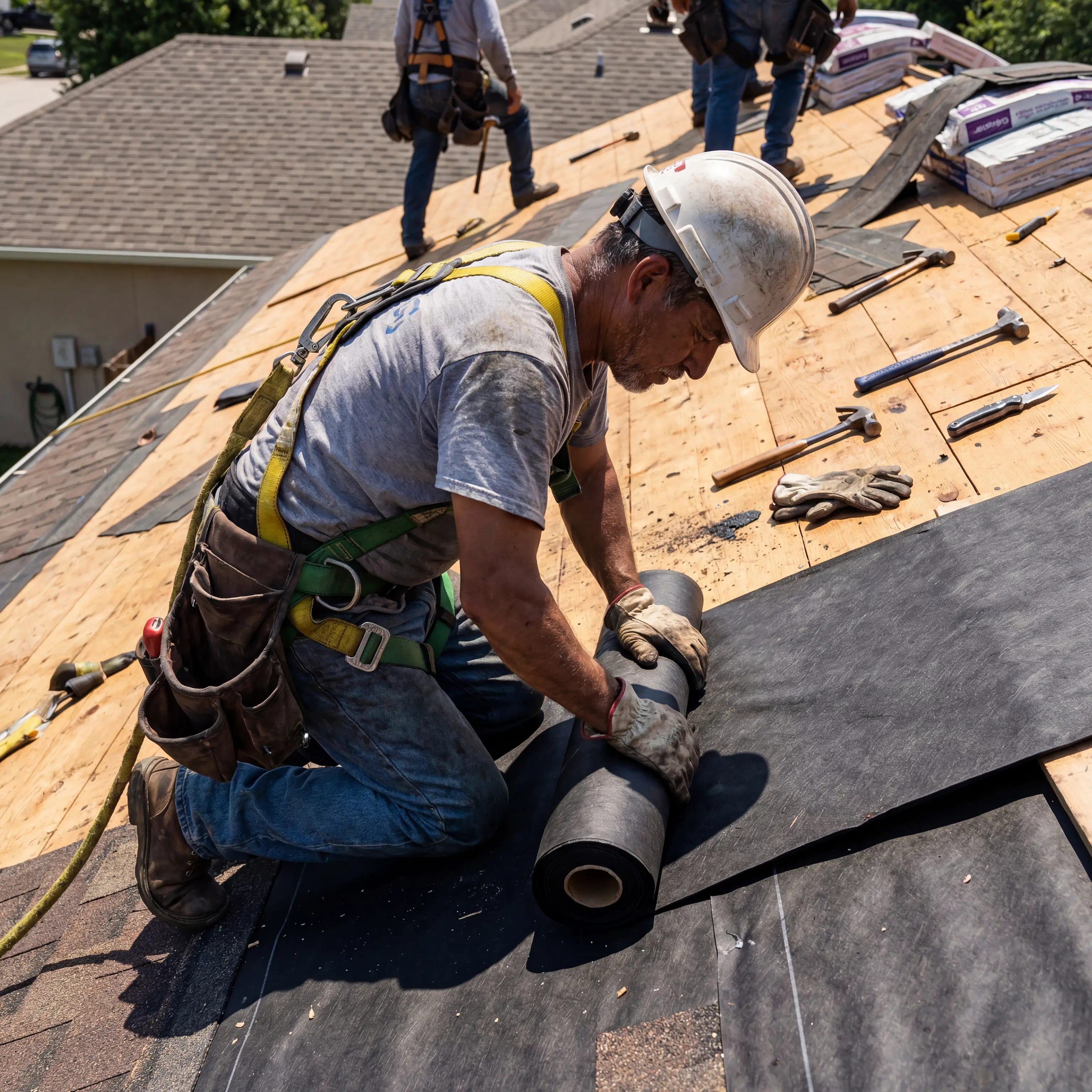
A full tear-off is exactly what it sounds like: your roofing contractors will completely strip away all existing layers of your old roof down to the wooden decking. This allows the team to inspect the underlying structure for rot, water damage, or structural integrity issues. Once the decking is repaired or replaced as needed, a brand-new system is installed from the bottom up, including underlayment, flashing, and the final layer of shingles.
On the other hand, a roof overlay involves leaving the existing layer of shingles intact and simply installing the new roofing materials directly over the top of them. This immediately brings up a very common question: is it safe or legal to install a new roof over an existing layer of shingles?
In many areas, building codes do allow for up to two layers of asphalt shingles on a residential structure. So, legally, an overlay is often permissible if you only currently have one layer. However, just because it is permitted by local codes does not necessarily mean it is the wisest choice for the longevity of your home. Evaluating the shingling over existing shingles pros and cons requires looking beyond just the immediate convenience.
Comparing the Costs and the Hidden Risks
When homeowners compare roof overlay versus tear off cost, the overlay almost always appears more attractive on paper. Because an overlay skips the labor-intensive process of stripping the old materials, it saves significantly on labor hours. It also eliminates the costs associated with hauling away and disposing of heavy debris. If you are on a strict, tight budget, this lower initial price point can be very tempting.
However, the risks of installing new roof over old shingles are substantial and often outweigh the initial savings. One of the biggest dangers of an overlay is that it prevents roofing companies from inspecting the wooden decking underneath. If there is hidden moisture damage, rotting wood, or structural weakness, trapping it beneath a new layer of shingles will only accelerate the deterioration. Eventually, this can lead to massive structural failures that cost far more to fix than a standard replacement would have.
Furthermore, adding a second layer of shingles adds a tremendous amount of weight to your home's framing. Depending on the size of your house, this can equate to thousands of extra pounds stressing the roof trusses.
At Above The Rest Roofing, Inc, our core values are honesty, professionalism, and customer satisfaction. Because we want your investment to last, we highly recommend full tear-offs for most roof installations. An overlay may also void manufacturer warranties, as many premium material guarantees require the product to be installed directly onto a clean, freshly prepared deck. Finally, when it comes time to sell your home, a layered roof is often flagged by inspectors and can be used by buyers to negotiate a lower asking price.
Making the Right Choice for Your Home
So, how do you tell if your roof needs replacing with a full tear-off, or if it's a candidate for a simpler fix? The answer always starts with a thorough, professional inspection.
Modern roofing contractors utilize advanced technology, including drone-based roof inspections and 3D aerial measurements, to get an incredibly accurate picture of your roof's health without causing unnecessary wear and tear by walking all over it. This technology helps ensure you receive transparent, detailed, and accurate pricing estimates right from the start.
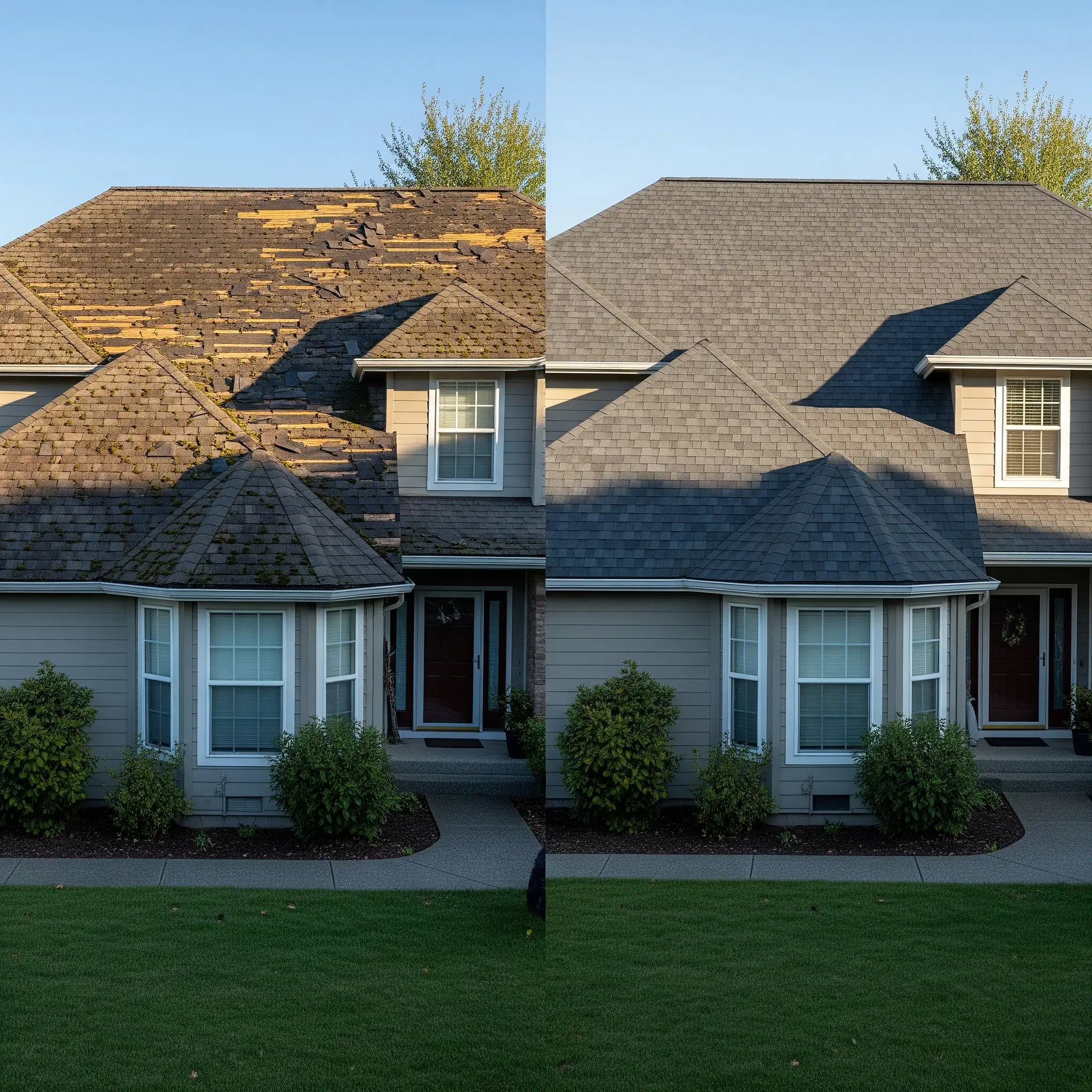
If your current roof is relatively young, has no signs of underlying water damage, and has only one layer of shingles, an overlay might technically be an option. However, if your roof is nearing the end of its expected lifespan, has curling or buckling shingles, or if you want the peace of mind that comes with a strong manufacturer warranty and comprehensive workmanship guarantees, a full tear-off is undeniably the better long-term strategy.
Ultimately, a full replacement ensures that your home is protected by high-quality materials applied exactly as the manufacturer intended. It protects your property from hidden rot, improves your home's energy efficiency, and offers a clean slate for your home's first line of defense.
Secure Your Home's Future with Above The Rest Roofing, Inc
Deciding between an overlay and a complete tear-off is a major choice, but you don't have to make it alone. Investing in a proper replacement now can save you thousands of dollars in emergency repairs and structural fixes down the road. We believe in doing the job right the first time, ensuring your home remains safe, beautiful, and fully protected for decades to come.
We understand that scheduling a major home improvement project can feel disruptive, but our process is designed to be as smooth and efficient as possible. When you choose to work with us, we can typically schedule your job within a week to a week and a half after your initial call. Once we start, the actual replacement usually takes just 2 to 3 days to complete, meaning you can get back to your normal routine quickly.
If you are ready to evaluate your options and want an honest assessment of your home's needs, explore our roof replacements page to learn more about our process. Contact Above The Rest Roofing, Inc today to schedule your comprehensive inspection and get a transparent estimate tailored to your property.