
Your Guide to TPO Roof Maintenance for Tri-Cities Businesses
As a business owner or property manager in the Tri-Cities, you know that your commercial building is one of your most significant assets. The roof that protects it is your first line of defense against the elements, from the intense summer sun to seasonal high winds. Many local businesses have chosen TPO (Thermoplastic Olefin) roofing for its durability, energy efficiency, and cost-effectiveness. It’s an excellent choice for our climate.
However, even the most robust roofing system requires proactive care to perform at its best and last for its full intended lifespan. Waiting for a leak or visible damage to appear can lead to costly operational disruptions and expensive repairs. This guide will walk you through the essentials of TPO roof maintenance, helping you protect your investment and ensure your commercial property in the Kennewick area remains secure, dry, and efficient for years to come.
Understanding TPO and Its Local Challenges
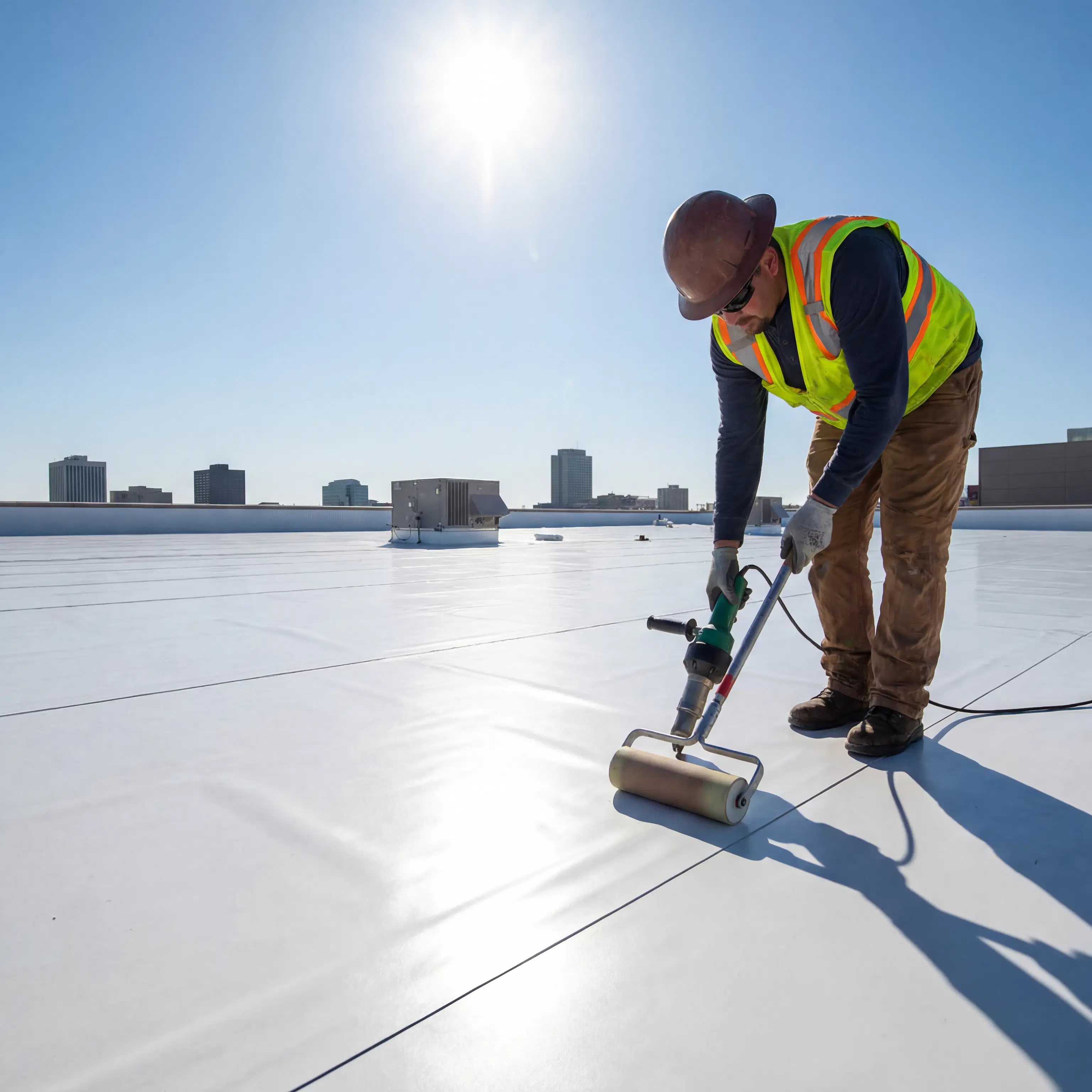
TPO is a single-ply membrane known for its white, reflective surface that helps keep buildings cooler—a significant benefit during our hot summers. These systems, often referred to as a type of cool roof, are installed in large, seamless sheets with heat-welded seams that are incredibly strong. But like any part of a building's exterior, they face unique challenges here in Eastern Washington.
- Intense Sun/UV Exposure: The relentless sun can, over many years, cause roofing materials to degrade. While TPO is formulated with UV inhibitors, prolonged exposure can still take a toll without proper care.
- Wind Damage: Strong winds can carry debris that may puncture the membrane or, in extreme cases, test the integrity of the roof's edge and seams. A small, unnoticed lift can easily become a major problem.
- Ponding Water: While TPO itself is waterproof, standing water—often caused by clogged drains or scuppers—adds immense weight and stress to the roof structure and seams. It also allows dirt and debris to accumulate, which can break down the membrane's surface over time.
- Foot Traffic & Equipment: HVAC technicians, window washers, or other maintenance personnel can accidentally drop tools or step on sharp objects, causing small punctures that compromise the watertight seal.
An Essential TPO Maintenance Checklist
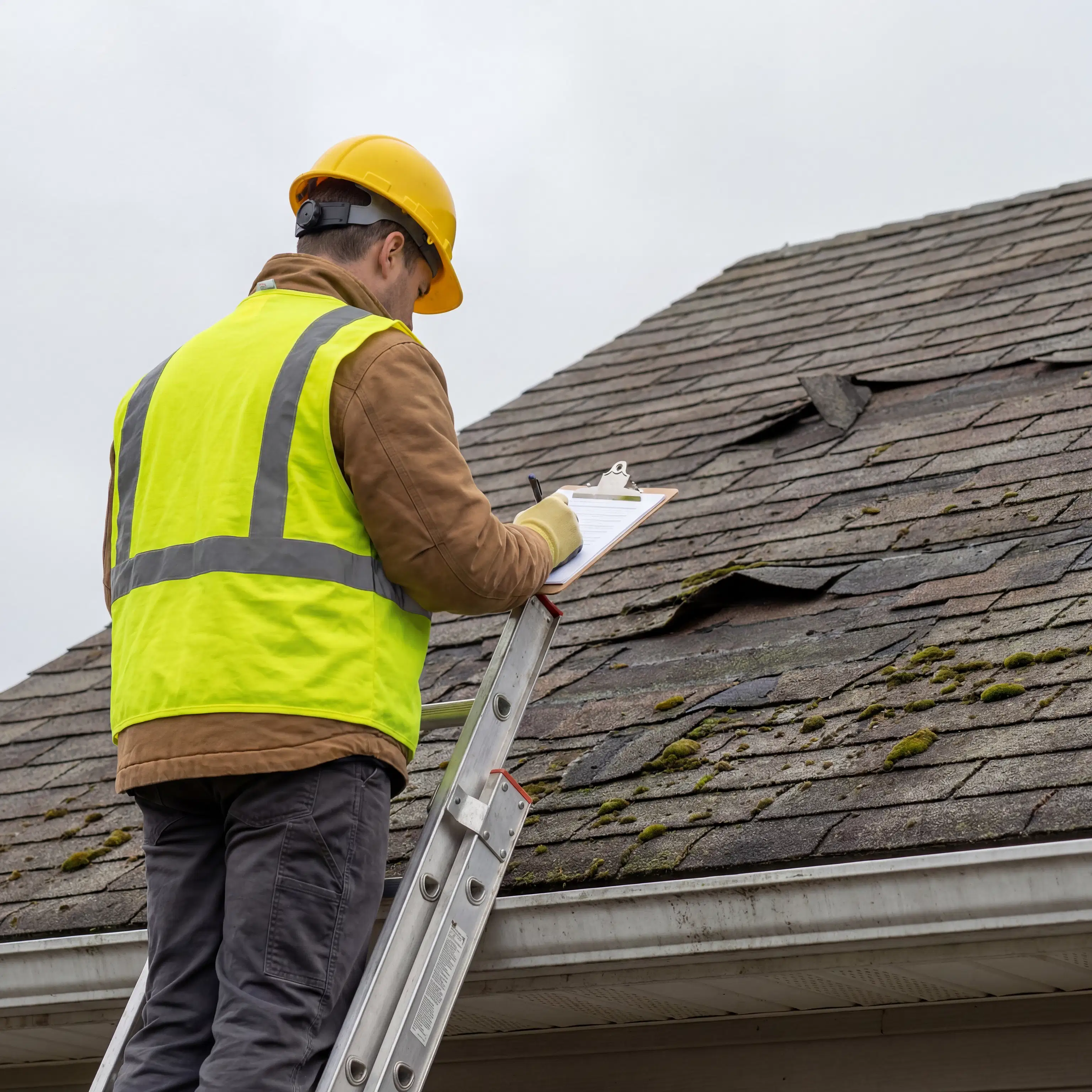
Regular, semi-annual inspections are the cornerstone of a successful commercial roofing maintenance strategy. By catching potential issues early, you can address them before they escalate into serious damage. Here’s what a professional inspection should always cover:
- Inspect the Seams: The heat-welded seams are a major strength of TPO systems. A thorough check involves probing the seams to ensure there are no voids, gaps, or areas that have begun to pull apart.
- Examine the Surface: The field of the roof should be scanned for any signs of damage. This includes looking for punctures, tears, blisters, or excessive wear. Any loose debris like branches, screws, or stray tools should be carefully removed.
- Clear All Drainage Systems: This is one of the most critical steps for any flat roofing system. All drains, scuppers, and gutters must be cleared of leaves, dirt, and other blockages to ensure water can flow off the roof freely and prevent ponding.
- Check Flashings and Penetrations: The points where the roof meets a wall, curb, or piece of equipment (like an HVAC unit or vent pipe) are the most common sources of leaks. The flashing and sealant around these penetrations must be inspected to ensure they remain watertight and secure.
- Perform Minor Repairs: Small punctures or failing sealant found during an inspection should be addressed immediately. A small, professional patch is a simple, low-cost fix that prevents a future emergency call.
The Long-Term Value of a Proactive Maintenance Plan
Investing in a routine maintenance plan isn't an expense; it's a strategic decision that delivers significant returns. For business owners, this translates directly to financial stability and operational reliability.
- Maximize Your Roof's Lifespan: A TPO roof can last 20 to 30 years, but only with consistent care. Proactive maintenance helps you get the full value out of your initial investment.
- Prevent Expensive Surprises: The cost of a scheduled maintenance visit is minimal compared to the expense of emergency repairs, interior water damage, and business downtime. Catching a small issue early saves you from a major financial headache later.
- Maintain Your Warranty: Most roofing manufacturers require proof of regular, professional maintenance to keep the warranty valid. Neglecting your roof could mean a denied claim when you need it most.
- Ensure Peak Energy Efficiency: A clean, white TPO roof reflects solar heat effectively, reducing the load on your HVAC system and lowering energy bills. Dirt and grime buildup can diminish this reflective property, increasing your cooling costs.
- Gain Peace of Mind: Knowing your property is protected by a well-maintained roof allows you to focus on what you do best: running your business. It removes the worry of unexpected disruptions and ensures a safe environment for your employees and customers.
Protect Your Commercial Property Investment
Your TPO roof is a high-performance system designed to protect your business for decades. With the unique weather challenges we face in the Tri-Cities, from intense sun to high winds, a proactive approach to maintenance is the key to ensuring it delivers on that promise. Don't wait for a small issue to become a major disruption.
If you own or manage a commercial property in the Kennewick area, our team at Above The Rest Roofing, Inc is here to help. We specialize in comprehensive Repairs and Maintenance programs for T.P.O Flat Roofs. Contact us today to schedule a professional inspection and let us help you create a plan to protect your valuable asset for years to come.