
Your Home's First Defense: A Homeowner's Guide to Protecting Your Roof from Tri-Cities Wind Damage
Living in the Tri-Cities means enjoying plenty of sunshine, but it also means dealing with our famously windy conditions. While a strong breeze can be refreshing, those powerful gusts are a constant threat to the most important part of your home's protective shield: your roof. For many homeowners in Kennewick and the surrounding areas, the thought of unexpected roof damage after a storm is a major source of stress. A compromised roof can lead to leaks, structural issues, and costly emergency repairs.
Understanding how to protect your home from wind is the first step toward peace of mind. This guide will walk you through how wind affects your roof, how to spot the early signs of damage, and what proactive steps you can take to ensure your home stays safe and secure. We'll share professional insights to help you make informed decisions, safeguarding your investment for years to come.
Understanding the Threat: How Wind Compromises Your Roof
It’s easy to underestimate the power of the wind, but its effect on a roofing system is a matter of physics. The primary ways wind causes damage are through uplift and direct force.
- Wind Uplift: As wind flows over your roof, it creates a pressure difference, with lower pressure above the roof and higher pressure inside the attic. This difference generates a lifting force, much like on an airplane wing. This uplift can pull at the edges of shingles, loosening the seals and fasteners that hold them in place. Over time, even moderate winds can weaken these bonds, making your roof vulnerable to failure during a major storm.
- Direct Pressure and Flying Debris: Strong, direct winds can curl, bend, or even rip shingles right off your roof, especially if they are already loose. The problem is compounded by flying debris. Tree branches, lawn furniture, and other unsecured items can become projectiles in a storm, causing significant impact damage like cracks, punctures, and dents.
The intense sun exposure and hot summers in our region can also make older asphalt shingles brittle and less flexible, increasing their susceptibility to cracking and breaking when subjected to high winds.
Spotting the Signs: A Post-Storm Roof Checklist
After a significant wind event, it's wise to perform a visual inspection of your roof from the safety of the ground. Catching problems early can prevent a small issue from turning into a major leak. Here’s what to look for:
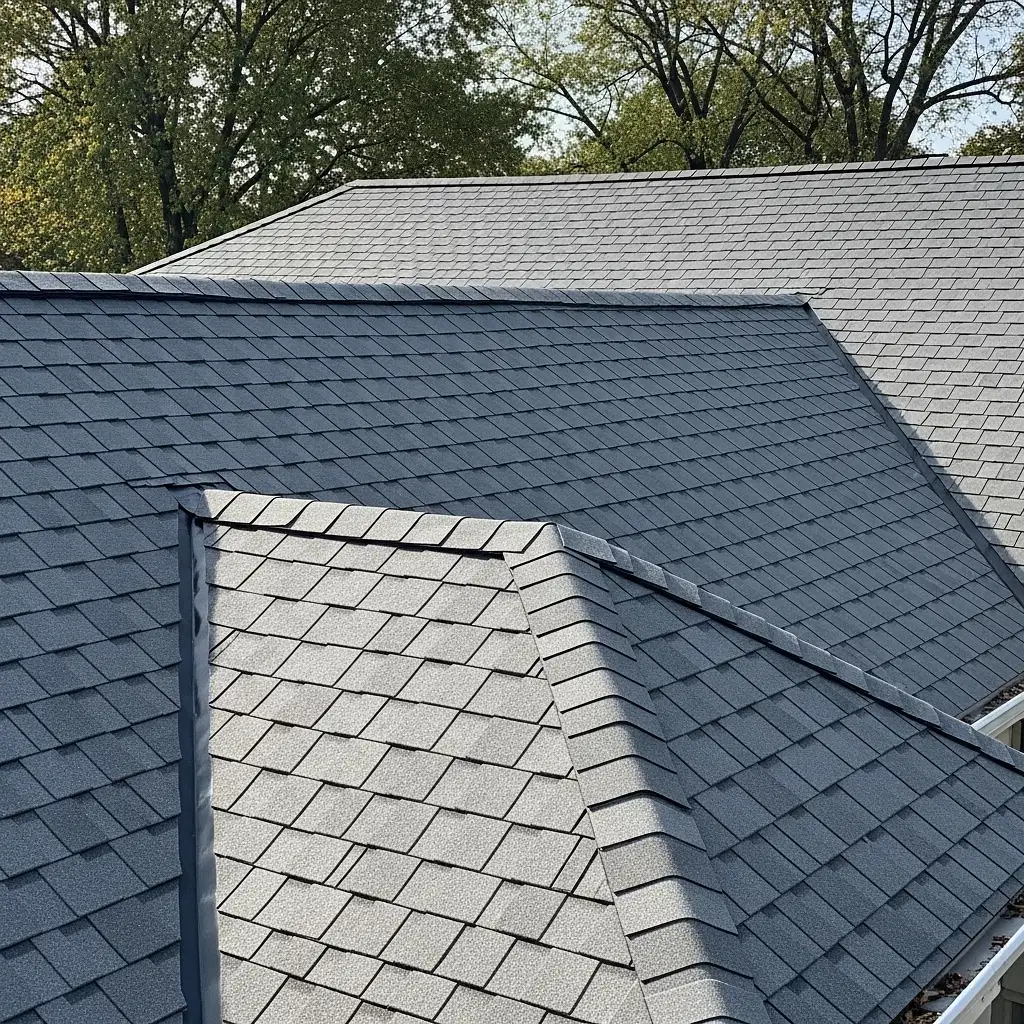
- Missing or Damaged Shingles: This is the most obvious sign. Look for shingles that are completely gone, cracked, or have broken corners. Pay close attention to the areas around ridges, hips, and the edges of the roof, which are most vulnerable.
- Curling or Lifting Shingles: Check for shingles whose edges are starting to curl upwards or appear lifted. This indicates that the adhesive seal has been broken, making them easy for the next gust of wind to tear off.
- Excessive Granules in Gutters: Asphalt shingles are coated with granules that protect them from UV rays. If you find a large accumulation of these sand-like particles in your downspouts or on the ground, it’s a sign that your shingles are aging and have been worn down by the storm, reducing their effectiveness.
- Damage to Flashing: Inspect the metal strips around your chimney, vents, and skylights. If the flashing is bent, loose, or damaged, it creates an entry point for water.
- Indoor Signs of Leaks: Don't forget to check your attic and ceilings for water stains, discoloration, or damp spots. A leak might not be immediately obvious from the outside.
If you notice any of these issues, it's crucial to seek a professional opinion to assess the extent of the damage.
Proactive Protection: Strengthening Your Roof Against the Wind
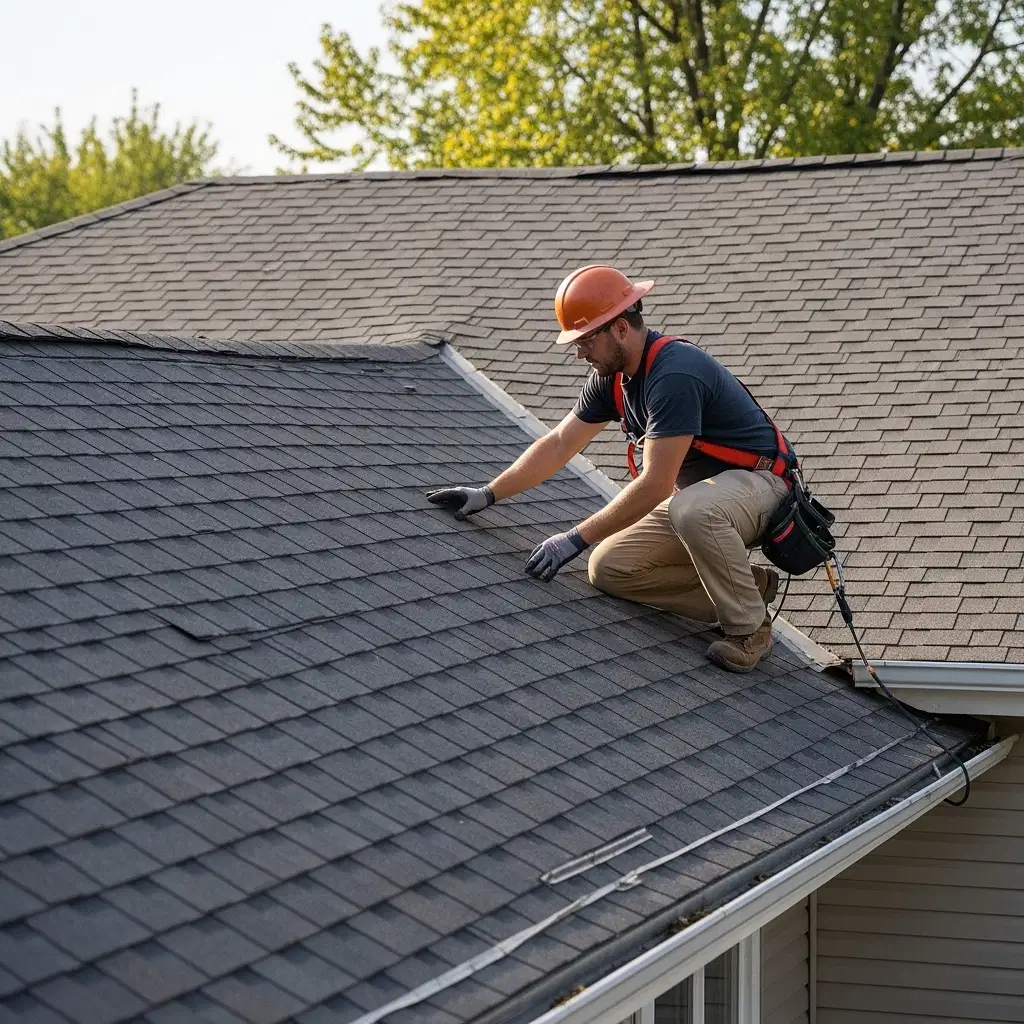
While you can't stop the wind, you can take proactive steps to ensure your roof is ready for it. The best defense is a combination of quality materials, professional installation, and regular upkeep.
1. Choose Wind-Resistant Materials: When it's time for a new roof, consider materials designed for high-wind performance. Architectural shingles are thicker and more durable than traditional 3-tab shingles. For superior durability and longevity, a professionally installed metal roof offers exceptional resistance to wind uplift and impact damage.
2. Prioritize Professional Installation: The quality of your roof installation is just as important as the materials you choose. An experienced, licensed contractor ensures that every component is fastened correctly according to manufacturer specifications and local building codes. This precision is critical for creating a cohesive system that can withstand powerful winds.
3. Schedule Regular Maintenance: Don't wait for a storm to find a problem. Professional repairs and maintenance can identify and address vulnerabilities like loose shingles or failing seals before they lead to significant damage. A yearly inspection is a small investment that provides invaluable protection and can extend the life of your roof.
Your Local Partner in Roof Protection
Living in the Tri-Cities means preparing for the weather. A strong, well-maintained roof is your home's best defense against our windy conditions. By knowing the signs of damage, being proactive with maintenance, and choosing the right materials and contractor, you can protect your family and your investment.
At Above The Rest Roofing, Inc, we pride ourselves on our core values of honesty, professionalism, and customer satisfaction. We understand the unique challenges our local climate presents. Whether you need a thorough inspection after a storm, timely repairs, or a complete residential roofing system built to last, our team is here to help. Don't wait for a small problem to become a big one. Contact us today to schedule your free estimate and ensure your Kennewick home is protected.